Aloe Vera: Unlocking the Healing Power Uses and Harvesting Techniques
1/16/20264 min read
The Medicinal Uses of Aloe Vera
Aloe vera, renowned for its remarkable healing properties, serves various medicinal purposes that have garnered attention in both traditional and modern medicine. One of the most widely recognized uses of aloe vera is for skin conditions. The gel extracted from its leaves possesses anti-inflammatory and antimicrobial properties, making it effective for treating sunburns, minor cuts, and even acne. Research published in the Journal of Ethnopharmacology indicates that aloe vera can significantly enhance wound healing due to its polysaccharides, which promote collagen synthesis and tissue regeneration.
Beyond external applications, aloe vera is also beneficial for digestive health. Consuming aloe vera juice can aid in alleviating issues such as constipation and heartburn. A study conducted by the American Journal of Gastroenterology found that aloe vera juice improved bowel regularity in individuals suffering from digestive distress. The natural laxative effect of aloe vera, combined with its ability to soothe the gastrointestinal tract, positions it as a valuable ally for those seeking digestive relief.
Furthermore, aloe vera plays a role in enhancing immune function. The gel contains a wealth of antioxidants, which help combat oxidative stress and bolster the body’s defense mechanisms. A study from the Journal of Immunology Research highlighted that aloe vera might enhance immune response by increasing the production of immune cells. Personal testimonials from individuals who incorporate aloe vera into their daily routines often cite improved overall wellness and vitality.
The versatility of aloe vera in treating skin conditions, aiding digestive health, and supporting immune function underscores its significance in natural medicine. As research continues to shed light on its benefits, aloe vera remains a popular choice for individuals seeking holistic health solutions.
Aloe Vera as a Natural Remedy
Aloe vera is revered as a versatile natural remedy, renowned for its multiple applications in addressing various skin ailments. This succulent plant is rich in vitamins, minerals, amino acids, and soothing compounds, making it an ideal choice for treating burns, cuts, and other skin irritations. Its gel, obtained directly from the leaves, is famous for healing sunburns and mild abrasions, providing rapid relief and promoting skin regeneration.
For those looking to harness aloe vera's healing properties, a simple topical application can be easily prepared at home. To create an aloe vera gel, cut a mature leaf of the plant and extract the clear gel. This gel can be applied directly to burns and cuts for instant relief. Furthermore, mixing aloe vera gel with a few drops of tea tree oil can enhance its antibacterial properties, making it an effective treatment for acne. A gentle application of this mixture on affected areas can significantly reduce inflammation and promote clearer skin.
In addition to topical treatments, aloe vera can be utilized in various drink recipes that aid internal health. A refreshing aloe vera smoothie can be made by blending a few tablespoons of aloe vera gel with coconut water and a banana. This not only hydrates but also contributes to digestive health and provides a boost of nutrients.
Despite its many benefits, it is essential to exercise caution when using aloe vera. Always conduct a patch test before applying the gel to ensure there are no allergic reactions. Consult a healthcare professional if you have any pre-existing conditions or are pregnant, as some internal uses of aloe vera may lead to adverse effects. Appropriately harnessing the power of aloe vera can lead to significant improvements in skin health and overall well-being.
How to Harvest Aloe Vera Leaves
Harvesting aloe vera leaves correctly is critical to maximize the plant's benefits while ensuring its continued growth. The optimal time for harvesting typically falls during the plant's growth season, which is spring and early summer. This is when the leaves are most robust, containing a higher concentration of nutrients and gel.
To initiate the harvesting process, selecting healthy, mature leaves is essential. Look for leaves that are thick, firm, and at least 8 to 10 inches long, as these are the most nutrient-rich. Ensure that you avoid harvesting leaves from the center of the plant, as this can stress the plant and inhibit future growth. Instead, focus on the outermost leaves, which are more likely to be fully developed and contain the desired gel.
Having the right tools is crucial for a successful harvesting experience. You will need a sharp, sterile knife or a pair of garden shears to ensure a clean cut. Before harvesting, it is advisable to sterilize the cutting tool with rubbing alcohol to prevent any risk of infection or disease to the plant. This preparation is vital to maintain the integrity of both the harvested leaves and the aloe vera plant itself.
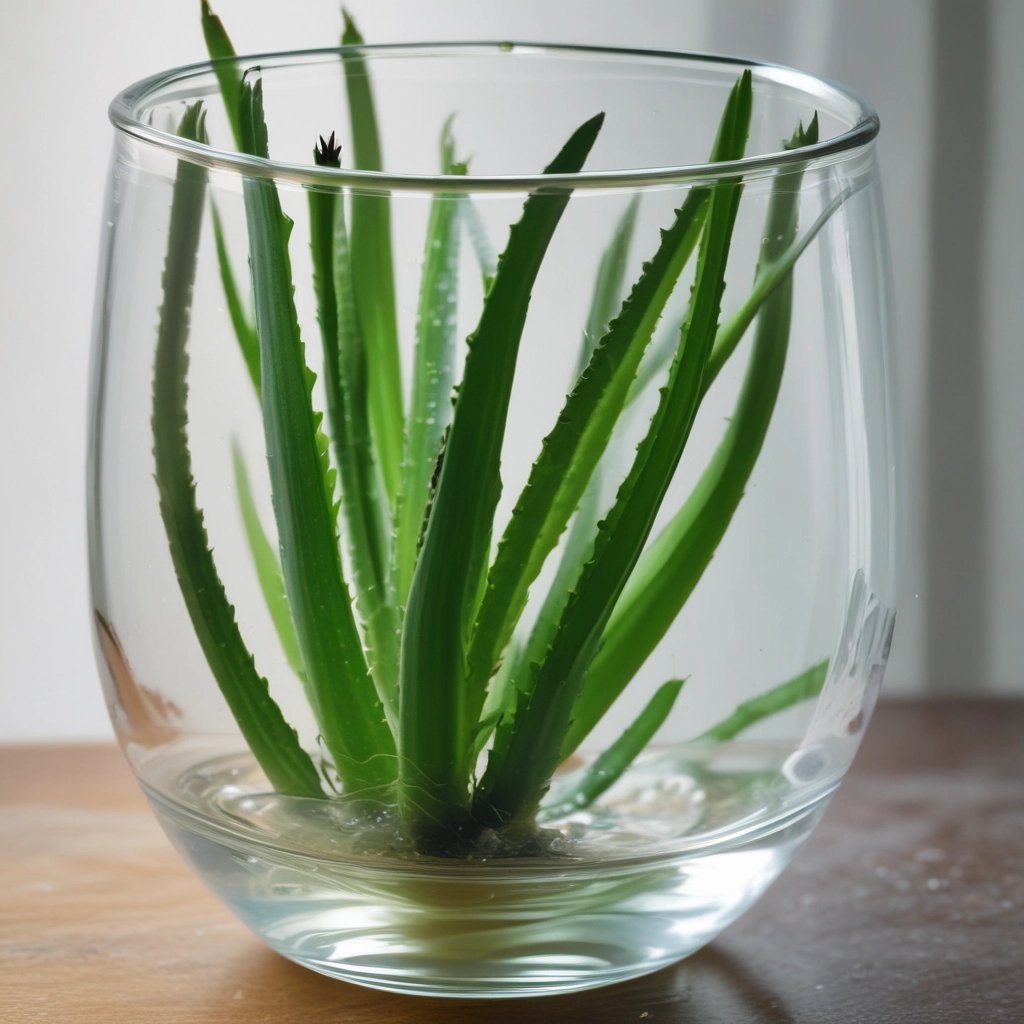
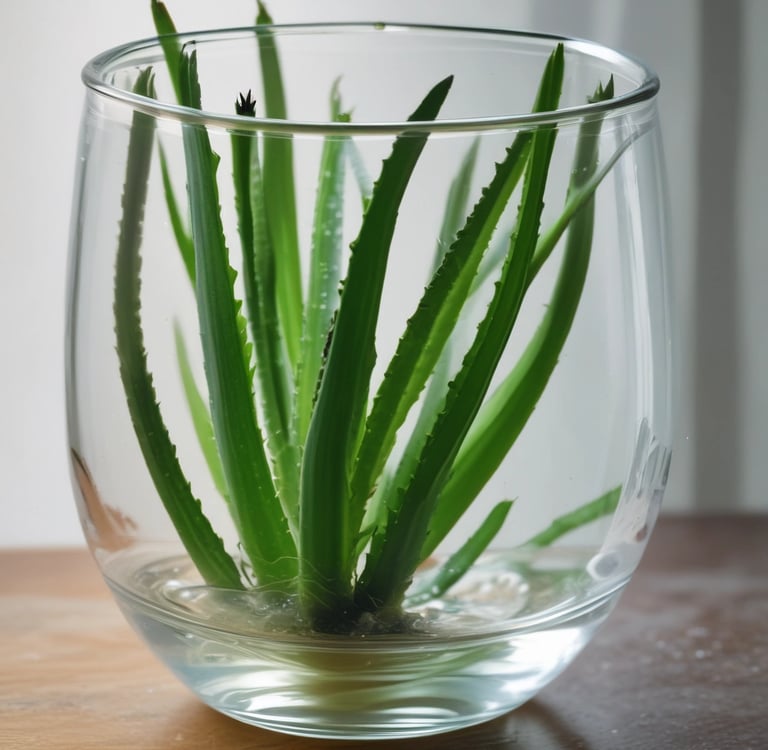
When ready to harvest, cut the selected leaves at the base, close to the stem, being careful not to damage the surrounding leaves or the plant stem. After collecting the leaves, place them upright in a container to allow any excess sap to drain, ensuring that the gel quality is preserved. By adhering to these guidelines, you can successfully harvest aloe vera leaves while promoting the continuous growth and health of your plant.
Using Aloe Vera Gel: Extraction and Applications
Aloe vera gel, known for its soothing and healing properties, can be easily extracted from the leaves of the plant once harvested. To begin the extraction process, choose mature leaves that are at least 6-8 inches long, as these contain the most potent gel. Start by cutting the leaf close to the base of the plant using a sharp knife. Place the harvested leaves upright in a container for about 10-15 minutes to allow the yellow latex (aloe latex), which may irritate the skin, to drain out.
After draining, rinse the leaves under cool running water to remove any residual latex. Next, with a clean knife, cut off the serrated edges of the leaf and carefully slice it open along its length to expose the gel inside. Using a spoon or a small spatula, scoop out the translucent gel, taking care not to include any part of the leaf’s skin, which can be tough and fibrous. Once extracted, the gel can be used immediately or stored for later use.
For storage, place the fresh aloe vera gel in an airtight container and store it in the refrigerator where it can last for up to a week. To prolong its shelf life, consider adding a natural preservative like vitamin E oil or mixing it with a small amount of lemon juice, which can also enhance its properties.
Aloe vera gel has versatile applications, ranging from topical treatments for sunburns and cuts to culinary uses. It can be blended into smoothies for an added health boost or used as a base for homemade beauty products like lotions and face masks. Additionally, incorporating aloe vera gel into your daily regimen not only promotes healthy skin but also contributes positively to overall well-being, making it an invaluable addition to any natural remedy arsenal.
© 2025. All rights reserved.
Important Disclaimers
Health & Medical Disclaimer
The information provided on this website is for educational purposes only and is not intended as medical advice, diagnosis, or treatment. Always consult with a qualified healthcare practitioner before using herbs, especially if you're pregnant, nursing, taking medications or have existing health conditions. Herbs can interact with medications and may not be appropriate for everyone. We are not medical professionals, and nothing on this site should replace professional medical care.
Affiliate Disclosure
This website contains affiliate links, which means we may earn a commission if you click on certain links and make a purchase. This comes at no additional cost to you.
We only recommend products and services that we believe will add value to our readers. Our affiliate relationships do not influence our editorial content or product recommendations. All opinions expressed on this site are our own, based on our personal experience and research.
Please note that we have not tested every product we mention, and we cannot guarantee that your experience will match ours. We encourage you to do your own research before making any purchase decisions.
Your support through these affiliate links helps us maintain this website and continue providing valuable herbal education content. Thank you for your support!
On Self-Sufficiency & Herbal Independence Disclosure
Learning to make your own herbal remedies might just make you dangerously independent. You may find yourself actually understanding what's in your medicine cabinet, confidently crafting your own salves and tinctures, and—heaven forbid—relying a little less on products with ingredient lists you can't pronounce.
We believe there's something profoundly empowering about growing, harvesting, and preparing your own herbs. It connects you to ancient traditions, builds practical skills, and yes, gives you a healthy dose of self-reliance that modern life often discourages.
Fair warning: side effects may include a sudden urge to grow your own garden, boring your friends with plant facts, and the satisfaction of knowing exactly what goes into the remedies you use.
Of course, herbal knowledge complements (not replaces) modern healthcare—we're all about balance. But there's real magic in taking wellness into your own hands, one homemade remedy at a time.
Welcome to your journey toward herbal independence. Your medicine cabinet will never be the same.