Lovely Luffa
A Simple Guide to Luffa
3/31/20262 min read
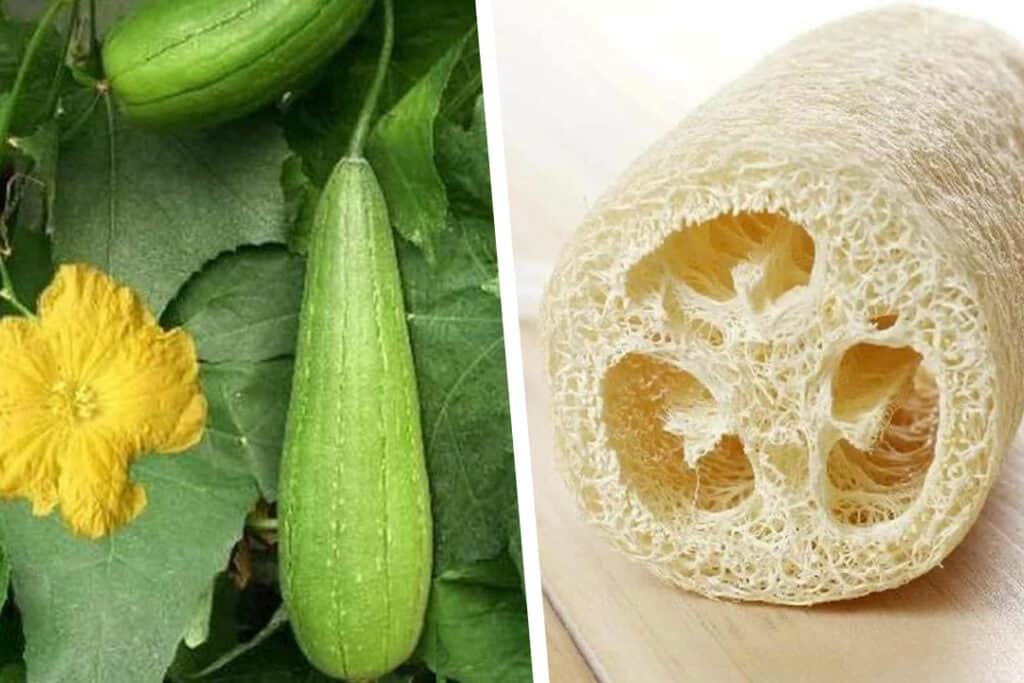
Step into the garden for a moment, where the sunlight drapes itself over climbing vines and the air hums with quiet life. Tucked among curling tendrils and broad green leaves, grows a plant that feels almost like a small miracle. Humble in its beginnings, yet wonderfully useful in its transformation. This is luffa, a plant that bridges the space between nourishment and necessity, offering both food for the table and gentle tools for the home.
Growing luffa is a practice in patience and sunshine. These vines thrive in warm climates and long growing seasons, soaking up heat. Start seeds indoors if your season is short, or sow them directly into rich, well-draining soil once the earth has warmed. Give them space to stretch and climb. Luffa vines adore a sturdy trellis, reaching upward with enthusiasm, their tendrils curling like tiny hands grasping for the sky. Keep the soil consistently moist but not waterlogged. Let the sun do its quiet work. With time, golden blossoms will appear, followed by long, green fruits swaying gently in the breeze.
Harvesting luffa depends on your intention. For the kitchen, pick the fruits when they are young usually under six inches long while their skin is still soft and their flavor mild. For sponges, allow the fruits to remain on the vine until they mature fully. Their skin will darken and dry, and the fruit will feel lighter, almost hollow, as the inner fibers form their intricate network.
Turning a dried luffa into a sponge is a simple, satisfying process. Once harvested, peel away the outer skin it often slips off easily when the fruit is fully dry. Shake out the seeds which can be saved for next season’s planting and rinse the fibrous interior to remove any remaining pulp. The sponges can be soaked in a mild bleach water to kill any bacteria. Let it dry thoroughly in the sun, and what remains is a natural, biodegradable sponge, ready to be used and appreciated.
In the home, luffa finds countless uses. In the kitchen, it becomes a gentle scrubber for dishes and produce. In the bath, it offers a soft exfoliation and awakening the skin with its mild textured touch. Around the house, it can be used for cleaning surfaces, crafting, or even chopped into abrasive bits for handmade soaps. Each use carries a quiet satisfaction knowing that something so useful grew from your own garden.
Perhaps one of the greatest gifts of growing luffa is its sustainability. In a world filled with disposable goods, luffa offers a return to something simpler and more mindful. It replaces synthetic sponges with something natural, renewable, and compostable. It invites us to participate in a cycle planting, tending, harvesting, and using where nothing feels wasted and everything has purpose.
And so, as you wander back out of this little garden space, consider leaving room for a luffa vine of your own. Let it climb and sprawl, let it surprise you with its quiet transformation. There is a certain kind of magic in growing something that becomes not just beautiful, but useful a small, steady reminder that nature often provides exactly what we need, if we are willing to nurture it.
© 2025. All rights reserved.
Important Disclaimers
Health & Medical Disclaimer
The information provided on this website is for educational purposes only and is not intended as medical advice, diagnosis, or treatment. Always consult with a qualified healthcare practitioner before using herbs, especially if you're pregnant, nursing, taking medications or have existing health conditions. Herbs can interact with medications and may not be appropriate for everyone. We are not medical professionals, and nothing on this site should replace professional medical care.
Affiliate Disclosure
This website contains affiliate links, which means we may earn a commission if you click on certain links and make a purchase. This comes at no additional cost to you.
We only recommend products and services that we believe will add value to our readers. Our affiliate relationships do not influence our editorial content or product recommendations. All opinions expressed on this site are our own, based on our personal experience and research.
Please note that we have not tested every product we mention, and we cannot guarantee that your experience will match ours. We encourage you to do your own research before making any purchase decisions.
Your support through these affiliate links helps us maintain this website and continue providing valuable herbal education content. Thank you for your support!
On Self-Sufficiency & Herbal Independence Disclosure
Learning to make your own herbal remedies might just make you dangerously independent. You may find yourself actually understanding what's in your medicine cabinet, confidently crafting your own salves and tinctures, and—heaven forbid—relying a little less on products with ingredient lists you can't pronounce.
We believe there's something profoundly empowering about growing, harvesting, and preparing your own herbs. It connects you to ancient traditions, builds practical skills, and yes, gives you a healthy dose of self-reliance that modern life often discourages.
Fair warning: side effects may include a sudden urge to grow your own garden, boring your friends with plant facts, and the satisfaction of knowing exactly what goes into the remedies you use.
Of course, herbal knowledge complements (not replaces) modern healthcare—we're all about balance. But there's real magic in taking wellness into your own hands, one homemade remedy at a time.
Welcome to your journey toward herbal independence. Your medicine cabinet will never be the same.